
Remodelers Nepal
We believe that every homes has the potential to be a masterpiece, lets us help you to unlock yours.
We believe that every homes has the potential to be a masterpiece, lets us help you to unlock yours.
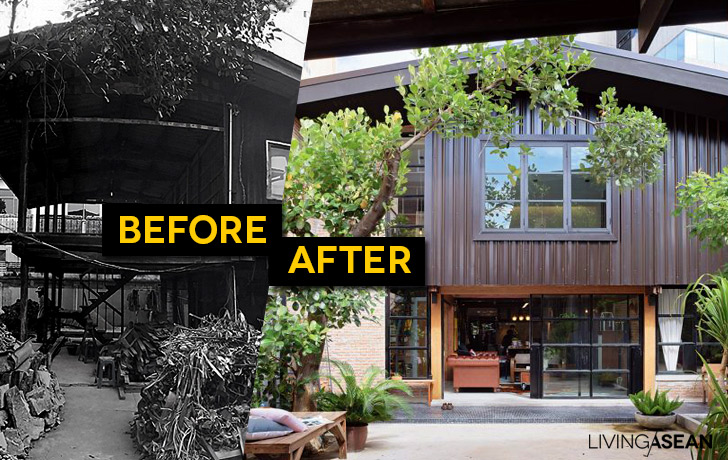
Deterioration: Over time, buildings can start to show signs
of wear and tear, such as cracks in the walls or ceilings, peeling paint, or
water damage. Renovation can help to address these issues and restore the
building to a good condition.
Changing needs: As the needs of the people using a building
change, the building itself may need to be adapted or modified to meet these
new needs. For example, an old building may need to be renovated to make it
more energy-efficient, or to add additional space or amenities.
Safety concerns: As a building ages, it may start to pose
safety concerns such as the risk of structural failure or the presence of
hazardous materials. Renovation can help to address these issues and make the
building safer for those who use it.
Upgrading outdated systems: As technology and building codes
advance, old buildings may need to be renovated to incorporate newer and more
efficient systems such as plumbing, electrical, and heating and cooling
systems.
Increasing value: Renovating an old building can help to
increase its value, either by making it more attractive to potential buyers or
tenants, or by allowing it to be used for new purposes.
Overall, renovation can help to extend the life of an old
building, improve its functionality and safety, and increase its value.

Advance in technology. Have a significant impact on possible home renovation idea. Particularly when it comes to renovation idea within the planning stage we are here to make your old building into new, comfort home.
@copy All Right Reserved.