
Remodelers Nepal
We believe that every homes has the potential to be a masterpiece, lets us help you to unlock yours.
We believe that every homes has the potential to be a masterpiece, lets us help you to unlock yours.
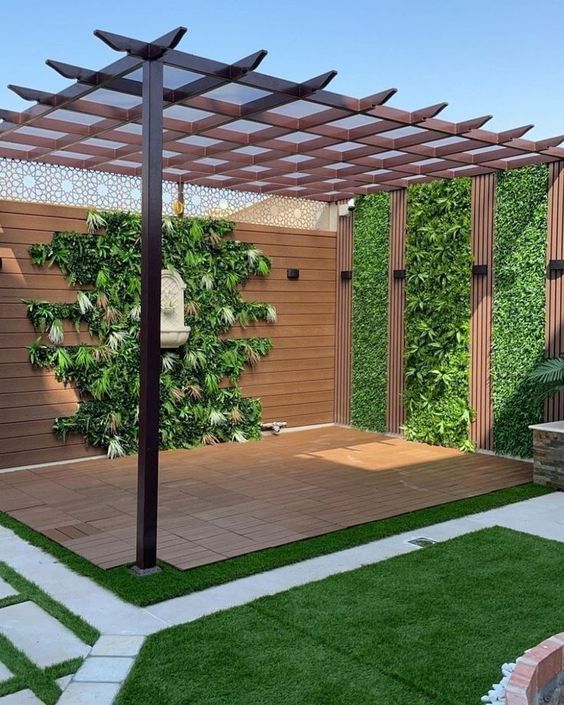
structures that are designed to be as lightweight as
possible, often using materials such as aluminum, composite materials, or lightweight
steel. There are several benefits to using lightweight structures in
construction:
Reduced loads: Lightweight structures place less load on the
foundation of a building, which can be beneficial in cases where the soil is
not strong enough to support a heavier structure.
Cost-effectiveness: Lightweight structures are typically
more cost-effective than heavier structures, as they require fewer materials
and less labor to construct.
Increased energy efficiency: Lightweight structures are
generally more energy-efficient than heavier structures, as they require less
energy to heat and cool.
Improved performance in earthquakes: Lightweight structures
are often more resistant to earthquake damage than heavier structures, as they
are less affected by the ground shaking that occurs during an earthquake.
Enhanced mobility: Lightweight structures are often easier
to move or transport than heavier structures, which can be beneficial in cases
where the structure needs to be relocated.
Overall, lightweight structures offer a range of benefits in
construction, including reduced loads, cost-effectiveness, increased energy
efficiency, improved performance in earthquakes, and enhanced mobility.

Advance in technology. Have a significant impact on possible home renovation idea. Particularly when it comes to renovation idea within the planning stage we are here to make your old building into new, comfort home.
@copy All Right Reserved.