
Remodelers Nepal
We believe that every homes has the potential to be a masterpiece, lets us help you to unlock yours.
We believe that every homes has the potential to be a masterpiece, lets us help you to unlock yours.
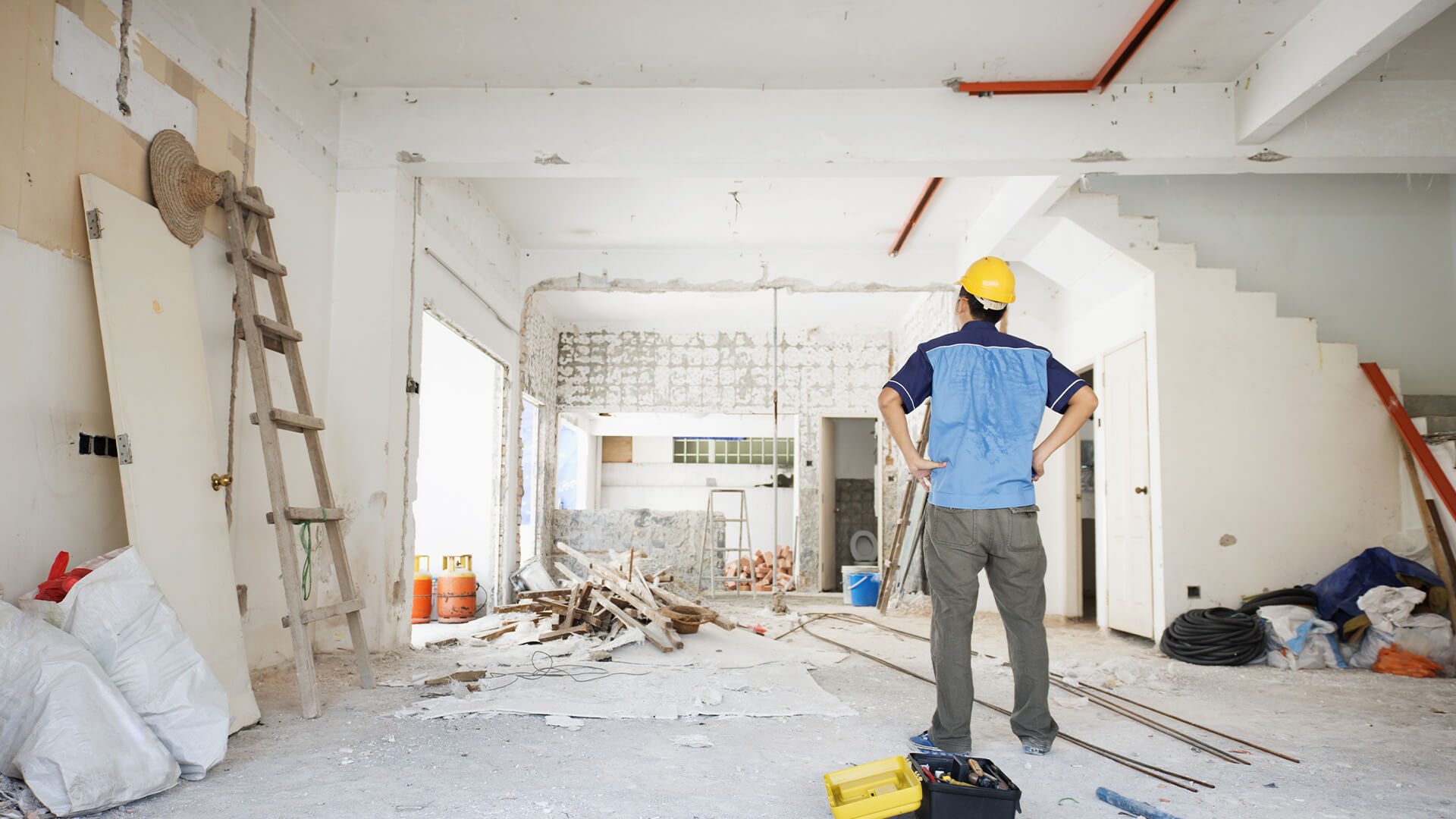
Yes, seepage, or the infiltration of water into a building,
can be harmful to a building and can lead to a range of problems. Some of the
ways in which seepage can harm a building include:
Structural damage: Seepage can weaken the structure of a
building by causing the deterioration of materials such as concrete or wood.
This can lead to cracks, erosion, and other types of damage that can affect the
stability and safety of the building.
Water damage: Seepage can cause water damage to a building,
including staining, peeling paint, and the growth of mold and mildew. Water
damage can also affect the insulation and electrical systems of a building,
potentially leading to further problems.
Health hazards: Seepage can create an environment that is
conducive to the growth of mold and other types of fungi, which can be harmful
to human health. Mold can cause respiratory problems and other health issues,
and can be particularly dangerous for people with allergies or compromised
immune systems.
Loss of value: Seepage can reduce the value of a building by
making it less appealing to potential buyers or tenants. It can also make it
more difficult to sell or rent out a building, as buyers or renters may be wary
of the potential problems that seepage can cause.
Overall, seepage can be harmful to a building
and can lead to a range of problems, including structural damage, water damage,
health hazards, and a loss of value. It is important to address seepage
promptly to prevent these issues and protect the building

Advance in technology. Have a significant impact on possible home renovation idea. Particularly when it comes to renovation idea within the planning stage we are here to make your old building into new, comfort home.
@copy All Right Reserved.